Quarry Orthodontics · Baltimore, MD
Now that you have your braces, how do you take care of them? It's important for you to know how to properly take care of your braces throughout your entire orthodontic treatment.

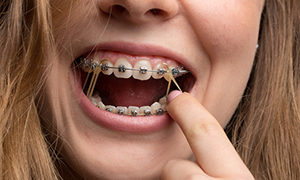
Wearing elastics (or rubber bands) improves the fit of your upper and lower teeth. Wear rubber bands as instructed, and remember that the rubber bands work far more efficiently if they're worn as prescribed.
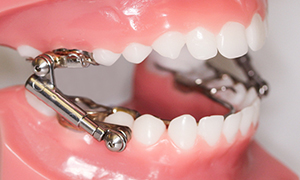
The Herbst appliance reduces overbite by encouraging the lower jaw forward and the upper molars backward. This fixed appliance is used mostly for younger, growing children and is worn for about 12-15 months.
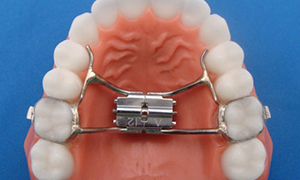
The palatal expander "expands" (or widens) your upper jaw by putting gentle pressure on your upper molars each time an adjustment is made. Your orthodontist will instruct you about when and how to adjust your expander. When you achieve the desired expansion, you will wear the appliance for several months to solidify the expansion and to prevent regression.
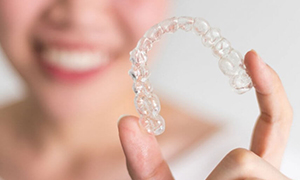
Retainers may be removable or fixed. They hold your teeth in their new, correct positions after your teeth have been straightened. Your orthodontist will instruct you on how to care for your retainer and about the duration of the wear. Wearing your retainer as directed is crucial to prevent regression of your treatment.
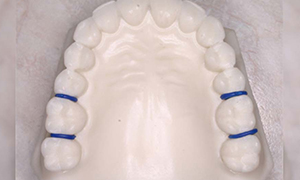
Separators are little rubber doughnuts that may be placed between your teeth to push them apart so that orthodontic bands may be placed during your next appointment. The separators will be removed before we place the bands. Separators do not mix well with sticky foods, toothpicks, or floss.
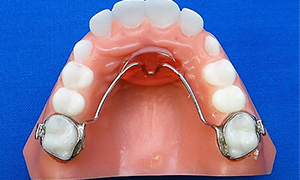
The Nance appliance is used to hold the upper molars in place, to prevent them from rotating or shifting forward. With this appliance, two metal bands are cemented around the first molars and a wire connects the back molars to an acrylic pad, located behind the two front teeth.
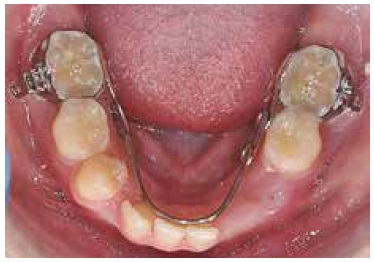
The Lower Lingual Arch is designed to hold the back molars in place. Many times it is used as a space maintainer in young patients who have lost one or more of their baby molars and space must be held for eruption of the permanent teeth.
Common orthodontic appliances include elastics (rubber bands), the Herbst appliance for overbite, palatal expanders that widen the upper jaw, retainers, separators or spacers, the Nance appliance and the lower lingual arch. Your Quarry Orthodontics doctor selects the right appliances for your treatment plan.
A palatal expander widens the upper jaw by applying gentle pressure to the upper molars each time it is adjusted. Your orthodontist tells you when and how to adjust it. Once the desired expansion is reached, you wear it for several months to solidify the result and prevent regression.
Metal braces use stainless steel brackets and are durable and effective. Clear, or ceramic, braces use tooth-colored brackets that blend in more, so they are less noticeable. Both straighten teeth in similar ways. Your orthodontist helps you choose based on your needs and preferences.
Headgear and elastics, or rubber bands, apply extra force to help correct bite and jaw alignment. They are used only when your orthodontist prescribes them, and they work best when worn exactly as directed. Ask us about any appliance you are given and why it is needed.
Braces use brackets and wires fixed to your teeth, so they work around the clock and suit most bite problems. Invisalign uses clear, removable aligners that you take out to eat and brush. At your free consultation, Dr. Noorani explains which option fits your teeth, lifestyle and goals.
Yes. We offer a free initial consultation where you meet our team, receive a complete exam and review your history and X-rays. We then discuss your treatment options and costs and create a customized plan. Call 410-840-7700 to schedule yours at 2576 Quarry Lake Drive, Baltimore.
Yes. Teeth naturally try to drift back toward their old positions after treatment, so retainers hold your new smile in place. Your orthodontist will tell you when to wear yours, usually full time at first and then at night. Following those directions is the best way to keep results long term.
Braces are not usually painful, but your teeth and mouth can feel sore for a few days after they are placed and after adjustments. Eating soft foods, using orthodontic wax on rubbing brackets and taking an over-the-counter pain reliever as directed usually help. Call us if discomfort lasts or worsens.
© 2026 Quarry Orthodontics . All Rights Reserved. | Website Design Company Algosoft