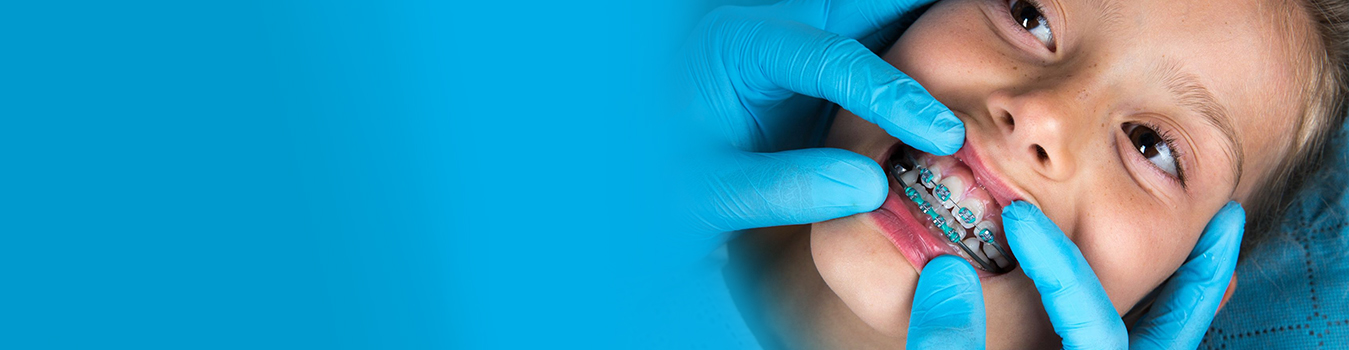
By this age, most children have a mix of baby teeth and adult teeth, making it easier for the orthodontist to diagnose and correct tooth and jaw problems sooner and without surgery.
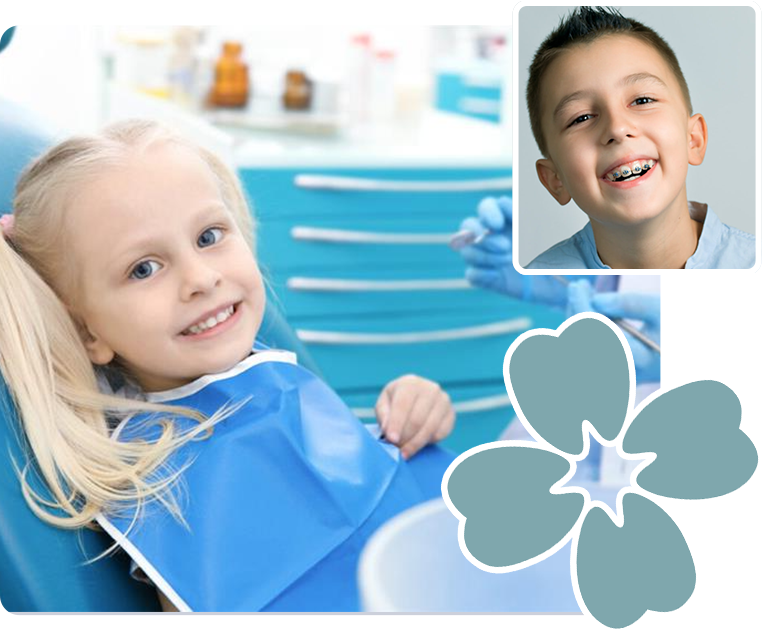
Correct and guide the growth of your child's jaw to help the permanent teeth come in straight
Regulate the width of the upper and lower arches
Create more space for crowded teeth
Possibly avoid the need for permanent tooth extractions later in life
Correct thumb-sucking and help improve minor speech problems
For parents, it's not always easy to know if your child may need orthodontic treatment.
Early or late loss of baby teeth
A hard time chewing or biting food
Mouth breathing
Finger or thumb sucking
Crowded, misplaced, or blocked teeth
Jaws that pop or make sounds when opening and closing
Teeth that come together abnormally, or do not come together at all
Jaws and teeth that are not proportionate to the rest of the face
Crowded front teeth around age seven or eight
Please contact our practice to schedule an appointment for an orthodontic evaluation. Early treatment now will give your child a healthy, beautiful smile for the future.
Book AppointmentThere is no exact age, but the American Association of Orthodontists recommends a first visit around age seven or eight. By then most children have a mix of baby and adult teeth, which lets the orthodontist diagnose and correct tooth and jaw problems sooner, often without surgery.
Early treatment lets your orthodontist guide jaw growth so permanent teeth come in straight, regulate the width of the upper and lower arches, create space for crowded teeth, and possibly avoid extractions later in life. It can also help correct thumb-sucking and improve minor speech problems.
Not always, but many children still need braces later. Phase I treatment addresses problems like crossbites and crowding early, which often makes later treatment shorter and simpler. Your orthodontist will monitor your child's growth and tell you when, or if, a second phase of treatment is needed.
Remind your child to brush after meals, floss daily, avoid hard and sticky foods and wear any elastics or retainers as directed. Keep every scheduled appointment, too. Our team teaches both kids and parents how to care for braces at the first visit, so everyone feels confident.
Phase I treatment is early orthodontic care, usually for children around ages seven to ten while they still have baby teeth. It can guide jaw growth, make room for adult teeth and correct problems such as crossbites. It often shortens or simplifies later treatment with braces. Book an evaluation to see if your child qualifies.
Yes. We offer a free initial consultation where you meet our team, receive a complete exam and review your history and X-rays. We then discuss your treatment options and costs and create a customized plan. Call 410-840-7700 to schedule yours at 2576 Quarry Lake Drive, Baltimore.
Avoid hard, sticky and chewy foods such as popcorn, hard candy, caramel, gum, ice and nuts, and cut crunchy foods like apples and carrots into small pieces. These foods can bend wires or break brackets, which can lengthen treatment. Ask our team for a full list at your first visit.
Braces are not usually painful, but your teeth and mouth can feel sore for a few days after they are placed and after adjustments. Eating soft foods, using orthodontic wax on rubbing brackets and taking an over-the-counter pain reliever as directed usually help. Call us if discomfort lasts or worsens.
© 2026 Quarry Orthodontics . All Rights Reserved. | Website Design Company Algosoft