Before you can start enjoying some of the treats you love, you will need to take special care to avoid any foods that could damage your new appliances.
Dairy like soft cheese, pudding, milk-based drinks
Breads like soft tortillas, pancakes, muffins without nuts
Grains like pasta, soft cooked rice, porridge
Meats and seafood like any meat as long as there are no bones in it and it is soft cooked
Vegetables like mashed or steamed vegetables
Fruits like any fruit that is cut into small bite size pieces
Chewy foods like licorice, fantales, redskins
Crunchy foods like popcorn, chips, ice
Sticky foods like caramel, nougat, chewing gum
Foods that require biting into like corn on the cob, apples, carrots
When you first get your braces, you may notice that your teeth and mouth feel a little uncomfortable. This is perfectly normal and we promise your mouth will not be sore forever! To relieve the pain, we recommend dissolving one teaspoon of salt in a cup of lukewarm water. Swish and gargle this solution in your mouth for just a couple of minutes (do not swallow the saltwater).
If the pain is more severe and does not go away after rinsing, you can also try taking a pain reliever. It is also not uncommon for your lips, cheeks, and tongue to become irritated for one to two weeks as they toughen and become used to the braces. We would be happy to give you some wax that you can put over the braces to lessen the tenderness. If you need some wax, please let us know.
If your teeth begin feeling a little loose, don't worry; this is normal! There is a little fluid sack around the root of your teeth that is called a periodontal ligament - this widens to allow for your teeth to move. Your braces must first loosen this periodontal ligament to move them into the right position. Once your teeth have been repositioned, they will no longer be loose.
Damaged appliances can increase the length of your treatment process, so be sure to take care of all your appliances. Your teeth and jaw can only move into their correct positions if you consistently wear the rubber bands, headgear, retainer, or other appliances prescribed by your doctor.
The wires and bands on your braces may come loose. If this happens, please contact us as soon as possible so that we can check and repair your appliance. If any piece of your appliance comes off, be sure to save it and bring it to the office with you.
You can temporarily fix the loose wire with your wax that will be given to you when you get your braces. If the loose wire is causing irritation to your lips or cheeks, put wax or a wet cotton ball over the broken wire to relieve the pain.
Game, Set, Match. We have great news for athletes! You can still play sports even while undergoing orthodontic treatment! If you do play sports, it's recommended that you wear a mouthguard to protect your teeth and your appliance. Let your doctor know if you need help finding the right mouthguard for the best protection.
In case of a sports emergency, be sure to immediately check your mouth and appliance for damage. If you notice any loose teeth or appliance damage, please contact our office right away. You can temporarily relieve the discomfort by applying wax or rinsing your mouth with warm saltwater.
Be sure to drink a mouthful of water before drinking any sports drinks after a big game! When you get dehydrated your teeth do as well and will absorb the first thing you put into your mouth. If you drink a sports drink straight away your teeth will absorb all of the acid and sugar from that drink and this leads to tooth decay. Remember water is always best!
Stick to soft foods: dairy such as soft cheese and pudding, soft tortillas and pancakes, pasta and soft rice, soft cooked boneless meats, mashed or steamed vegetables, and fruit cut into small bite-size pieces. Avoid chewy, crunchy and sticky foods, and foods you must bite into, like corn on the cob.
Yes, you can play sports during orthodontic treatment. Wear a mouthguard to protect your teeth and appliance, and ask your doctor for help choosing one. After any sports injury, check your mouth for loose teeth or damage and contact our office right away. Drink water before any sports drink.
Place a small piece of orthodontic wax over the bracket or wire that is rubbing. Rinsing with warm salt water can soothe irritation. Most mouths toughen up within a few weeks. If a wire is poking or a bracket is loose, call us at 410-840-7700 and we will help.
Some patients wear elastics, or rubber bands, to help correct the bite. If your orthodontist prescribes them, wear them exactly as directed, because skipping them can lengthen treatment. Keep extra bands with you, and call us if you run out or if they keep breaking.
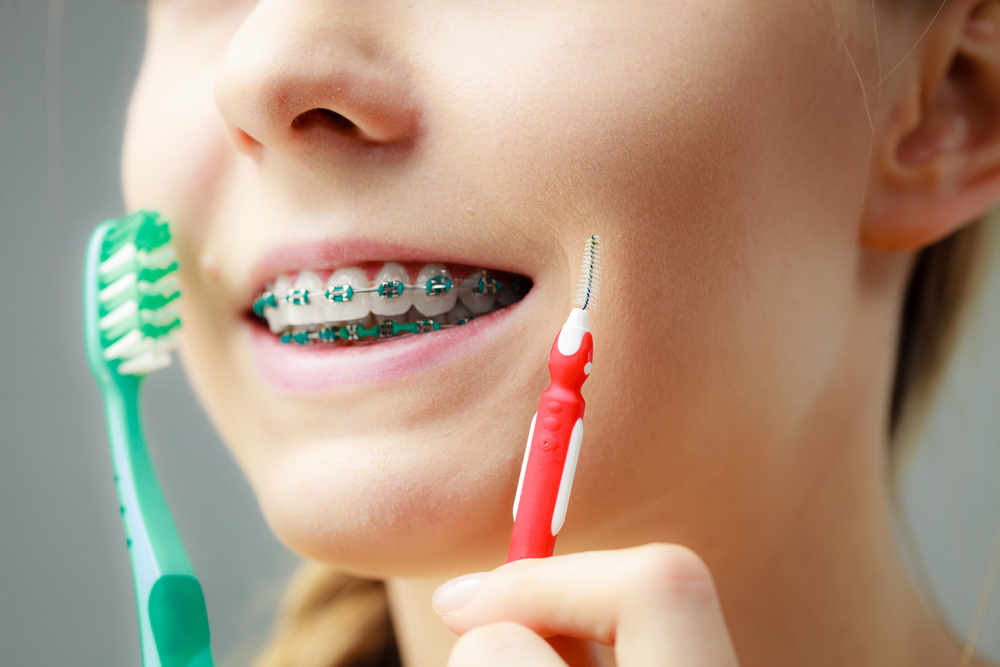
Brush gently after every meal and before bed, angling the brush at the gumline and around each bracket. Floss daily with a floss threader or orthodontic flossing aid, and use a fluoride rinse if recommended. Careful cleaning prevents stains and cavities, so you finish treatment with healthy teeth.
Yes. Teeth naturally try to drift back toward their old positions after treatment, so retainers hold your new smile in place. Your orthodontist will tell you when to wear yours, usually full time at first and then at night. Following those directions is the best way to keep results long term.
True orthodontic emergencies are rare. For a poking wire, push it down with a pencil eraser or cover it with orthodontic wax. Then call Quarry Orthodontics promptly at 410-840-7700 so we can schedule a repair, because leaving an appliance damaged can disrupt your treatment plan.
Braces are not usually painful, but your teeth and mouth can feel sore for a few days after they are placed and after adjustments. Eating soft foods, using orthodontic wax on rubbing brackets and taking an over-the-counter pain reliever as directed usually help. Call us if discomfort lasts or worsens.
© 2026 Quarry Orthodontics . All Rights Reserved. | Website Design Company Algosoft